 Muse AI
 Grok Bot
 ChatGPT
A label has two jobs. It has to print cleanly, and it has to carry the right information. Missing either can mean a costly reprint. Go through this checklist before you send a file to anyone.
Part 1: Will it print well?
- Size. Get the exact label size and template from your manufacturer or printer. Do not guess from a photo of the jar.
- Bleed and safe area. Background color should run past the cut line. Text and logos should sit inside the safe area. Ask the printer for both measurements.
- Image quality. Use vector files for logos. Photos and artwork should be sharp at full print size. View the file at actual size and look closely.
- Fonts. Convert text to outlines or embed the fonts, whichever your printer asks for.
- Color. Ask which color setup the printer wants. Screens glow and printed labels do not, so expect some change.
- Small text. Print the label on paper at actual size. If you cannot read it at arm's length, your customer cannot either.
- The curve. On a round jar, text near the edges of the front bends out of view. Keep the brand and product name in the middle.
- Barcode. Use dark bars on a light, plain background with clear space around them. Scan a printout to test it.
Part 2: Is the required information there?
This part depends on what the product is. Your manufacturer should supply the product facts. Your job is to make sure the design leaves room for them and that nothing is covered or changed.
Dietary supplements
FDA's dietary supplement labeling guide lists five statements required on containers and packages:
- The statement of identity, which is the name of the dietary supplement
- The net quantity of contents
- The nutrition labeling, shown as a Supplement Facts panel
- The ingredient list
- The name and place of business of the manufacturer, packer or distributor
The guide says the identity and the net quantity go on the front panel, which FDA calls the principal display panel. The Supplement Facts panel, the ingredient list and the business name and address go on the information panel if they are not on the front. It also says letters must generally be at least one sixteenth of an inch high, measured on the lowercase "o". FDA's questions and answers page adds that the label must show a domestic address or phone number for reporting serious adverse events.
Creams and other cosmetics
FDA's Cosmetics Labeling Guide places the product identity and the net quantity on the front panel. The ingredient list, the business name and address, and any directions or warnings go on an information panel. If the company named on the label did not make the product, FDA says the name must follow wording such as "Manufactured for" or "Distributed by".
Part 3: Do the words promise too much?
The Federal Trade Commission's Health Products Compliance Guidance says health related advertising must be truthful and backed by evidence. Implied claims count as much as stated ones. The FTC looks at the whole impression, including the product name and the images.
For supplements, FDA explains that a structure or function claim must be backed by evidence that it is truthful and not misleading, and must carry a disclaimer. FDA must also be notified no later than 30 days after the product is first marketed with the claim. FDA also says only a drug can legally claim to diagnose, treat, cure or prevent a disease.
If your brand line or product name suggests a result, have someone qualified review it before you print.
Part 4: Do you have the rights?
- Fonts are licensed for commercial use.
- Photos and illustrations are ones you made, bought or licensed.
- No other company's logo, character or name appears.
- If you used an AI tool for artwork, you have checked its terms, and the result does not copy an existing brand.
The last look
- Spell check every word, including the small ones.
- Compare the facts panel with the manufacturer's text, line by line.
- Check that the net quantity matches the actual fill.
- Check the business name and address.
- Scan the barcode from a printout.
- Save the file with a version number and a date.
- Ask a second person to read it cold.
This checklist is general information, not legal advice. Label rules have details and exceptions that depend on your product.
Labels at OSM
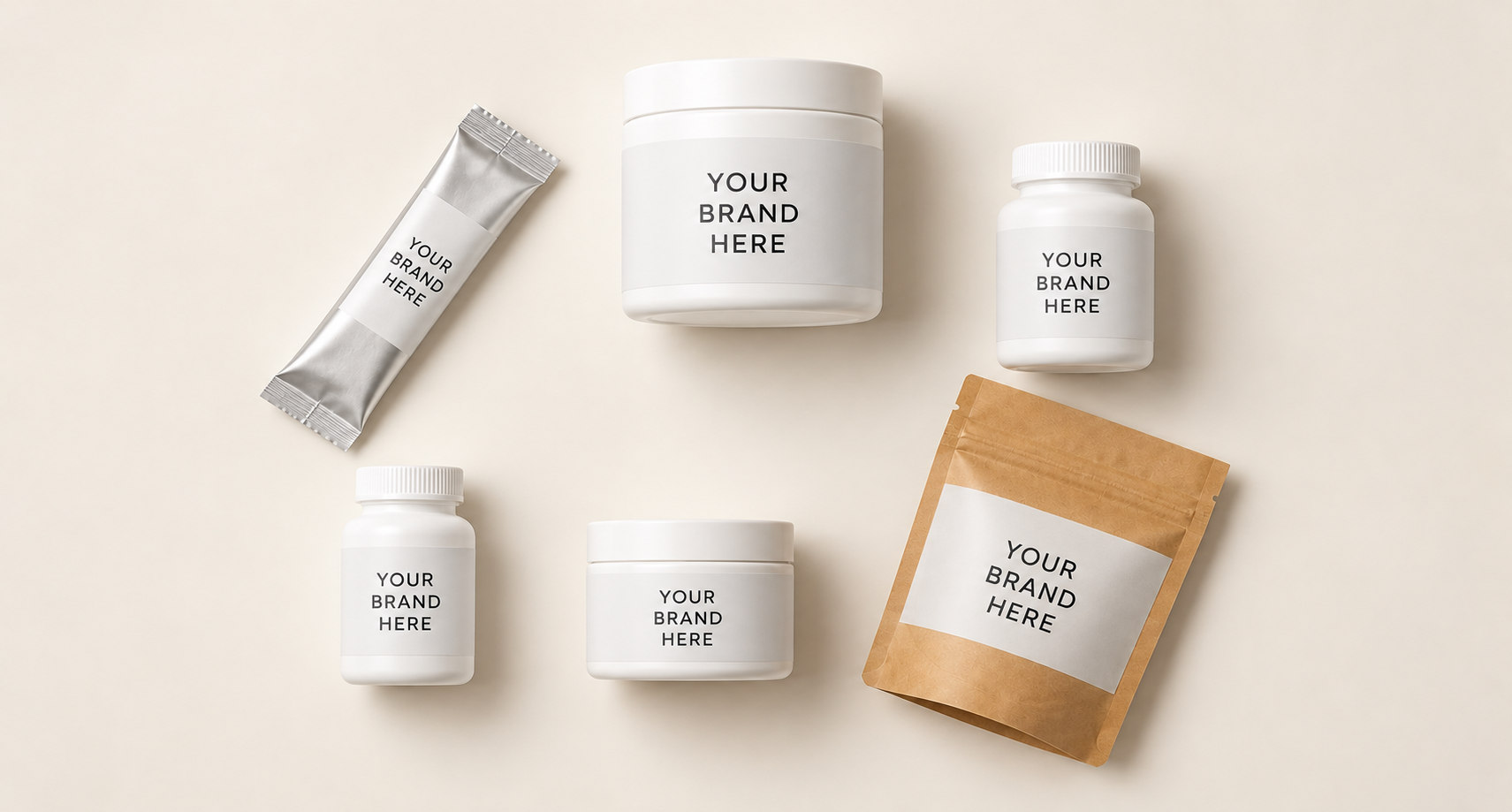
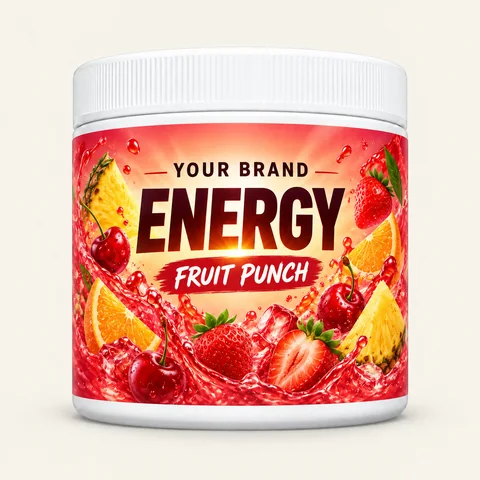
For OSM white label products, ask for the exact product template and current facts before preparing your complete label. The studio shows visual ideas only and does not produce a compliant label. You design the brand side. You must submit your complete label for courtesy feedback and independently check compliance. OSM feedback is not legal advice or certification. Wait for written go-ahead before ordering labels or starting production; OSM printing is subject to a quote. For custom manufacturing, label details are settled as part of your project. If you have a question about a label, contact OSM.
Common questions
Does FDA approve my label before I sell?
No. FDA says it does not approve dietary supplements or their labeling. Its fact sheet for small cosmetics businesses says cosmetic labeling is not subject to premarket approval either. Getting the label right is the company's job.
What file should I send?
Ask the printer. A print ready PDF built on their template is the usual request.