 Muse AI
 Grok Bot
 ChatGPT
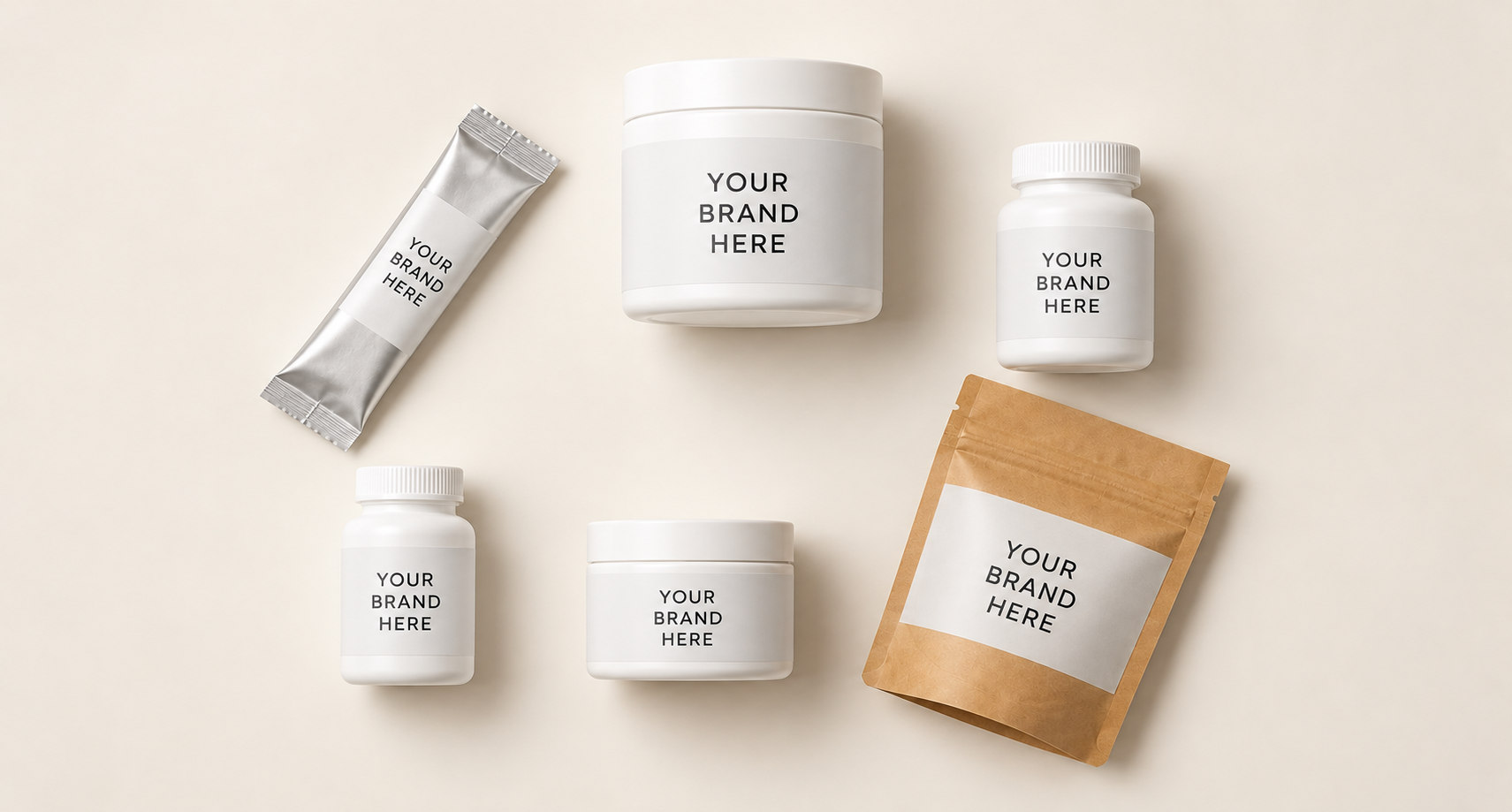
White label means a ready-made product sold under your brand. You choose an existing powder or cream, a quantity and your label. A custom formula changes the product itself. The useful question is whether you need a different formula now, or a product you can start selling under your own name.
Choose the simpler path that fits your plan
| Your priority | Ready-made products (white label) | Custom formula |
|---|---|---|
| What you start with | An existing formula, flavor and container | An OSM base and a set of options to review |
| What you choose | Product, quantity and your complete label | Product direction, available options, packaging and batch size |
| First quantity | Small batch requests, including the 10-jar launch offer where available | Typically 250 or 500 units depending on the formula; the quote confirms your minimum |
| Best fit | Testing a brand, a new sales channel or a flavor with a smaller commitment | A product that needs a different ingredient mix, flavor or serving plan |
| First step | Choose a product and quantity, then request your batch | Build a brief, then ask OSM to review it and quote the project |
You do not need an account or a finished label to start a ready-made product request. You do need a complete label and OSM's written go-ahead before production. The on-site design tools are optional ideas, not finished production files.
When ready-made is a good first move
- The existing formula and flavor fit your customers.
- You want to test demand before committing to a larger run.
- Your strongest idea is the brand, the audience or the place you will sell.
- You want fewer product decisions before asking for a quote.
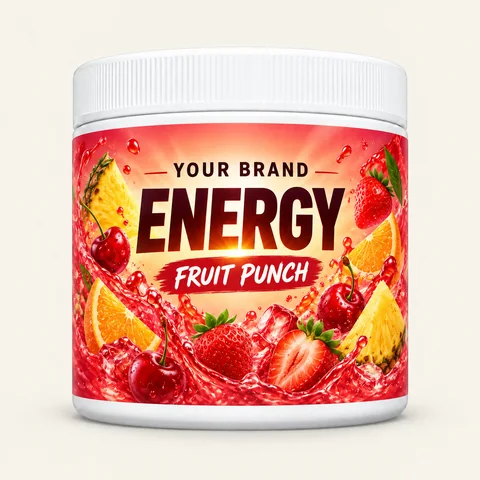
White label does not mean your brand has to look generic. Your name, complete label, photography and customer experience can be distinct even when the underlying formula is shared. Explore ready-made powders and creams to see example brand styles.
When a custom formula is worth the extra steps
Choose custom when changing the product is central to your plan. OSM's custom formula builder starts with a powder or cream base and shows the available choices. It helps you send a clear brief without starting with a blank formula sheet.
The builder has limits on purpose. It uses a set of ingredient, flavor, serving and container options that OSM can review. A selection is a request, not a promise that the final formula, fill amount or packaging is approved. Cream options and specialty requests may need separate review. OSM confirms the formula, minimum, price and production steps in your quote.
Need a different format or a more involved project? Use the manufacturing page to discuss powders, capsules, tablets, stick packs, pouches or topical products. Do not assume the custom builder covers every manufacturing option.
Which path saves more money?
A ready-made product can reduce the work of developing a first formula and let you start with fewer jars. Quantity also matters: a larger run can have a lower cost per unit, including for a custom project. Neither path is always cheapest at every quantity.
Compare the total you need to spend, not just the price per jar. Ask what labels, packaging, shipping and tax add to the order, and how much stock you can realistically sell. Our small first batch guide gives you a way to estimate a useful quantity.
Request the product first. Finish the label next.
- Choose the product and quantity. For a ready-made product, send a batch request from its product page. For custom, send your builder brief.
- Review OSM's reply. Confirm stock or production availability, the full quote and how to pay. A request does not reserve inventory or confirm an order.
- Prepare the complete label. Ask for the confirmed product facts and template. Submit your file for courtesy review and wait for written go-ahead before printing or ordering labels.
Check the label guide when you are ready for artwork. You remain responsible for independently checking your complete label and claims. Courtesy feedback from OSM is not a compliance certification.
Three questions to choose your route
- Would one of the existing products meet my customers' needs? If yes, start with ready-made.
- Do I need to change the formula or flavor? If yes, build a custom brief.
- How many units can I sell with the audience or sales channel I have now? Use that number to ask for a sensible first quote.
Choose a ready-made product or plan a custom formula. You can start with one approach and use the other when your brand grows.